Proven in our own greenhouse first
We do not invent greenhouse technology. We select it, combine it and prove it in our own crop before we specify it for a client abroad.
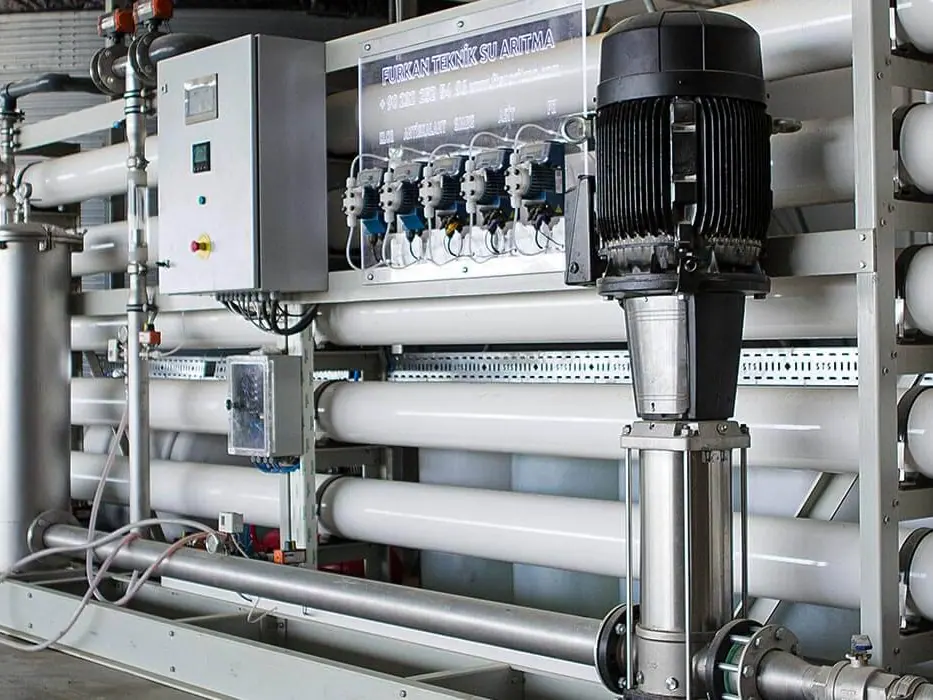
Grow Group International does not run a research laboratory, and we do not claim to. The equipment we work with is developed by specialised manufacturers in the Netherlands, France and elsewhere, among them Richel Group, which the group has represented in Azerbaijan since 2009. Our contribution is integration: choosing the components that suit a site and making them work as one system.
The place where that integration is tested is our own 20-hectare tomato greenhouse in Baku, in operation since 2011. A system that runs there through full seasons, under a commercial crop and real operating costs, has shown what it can do and what it demands of the people who run it. Only then do we specify it for projects abroad, with settings and procedures adapted to the local climate.
The smart greenhouse, layer by layer
Six layers that have to talk to each other. We integrate them and train your team to read them.
Sensing
Measuring boxes for temperature, humidity and CO₂, an outdoor weather station, and sensors for slab moisture, EC, drain volume and light. Good control starts with measurements that can be trusted, so sensor placement and calibration are part of commissioning.
Climate computer
One process computer coordinates vents, screens, heating, cooling, CO₂ and lighting. It works on setpoints that follow the crop stage, the time of day and the weather, not on fixed timers.
Fertigation
A dosing unit mixes water, fertiliser and acid to the target EC and pH for each irrigation section. Irrigation starts on radiation sum and drain measurement, and drain water is disinfected and returned to the loop.
Energy management
Boilers, CHP, heat pumps and buffer tanks are scheduled together, so that heat, electricity and CO₂ are produced when that costs least and heat is stored until the crop needs it.
Data and remote support
Climate, irrigation and energy data are logged and can be read remotely. Our agronomists and engineers can review a client’s greenhouse from Baku and discuss adjustments with the local grower.
Labour and logistics
Pipe-rail trolleys, harvest transport, grading and packing lines, and labour registration that records work by row and by task. Labour is one of the largest operating costs in most greenhouses, so it deserves the same attention as energy.
What we design for
Energy efficiency
Structures prepared for a second screen, LED lighting and dehumidification with heat recovery, and heating circuits sized for low water temperatures, so that heat pumps can be added later.
Water saving
Closed irrigation loops, rainwater and condensate recovery, and water treatment sized so that recirculation can be extended when water becomes scarcer or discharge rules tighten.
Autonomous growing support
Control systems and data infrastructure that are ready for decision-support software and crop sensors. The grower remains in charge; the tools reduce routine adjustments and flag deviations early.
Low-chemical crop protection
Insect netting, overpressure, hygiene locks and climate strategies that keep the crop dry, so that biological control can carry the crop protection, as it does in our own complex.
Technology partners
We specify equipment from manufacturers we represent and have run ourselves.
Ready to build your greenhouse project?
Tell us the country, the crop and the area. You get a confirmation at once and an engineer’s reply within two working days.
- Preliminary layout and budget range
- A visit to our 20-hectare reference greenhouse
- Support in English, Russian and Azerbaijani