Plant protection & IPM
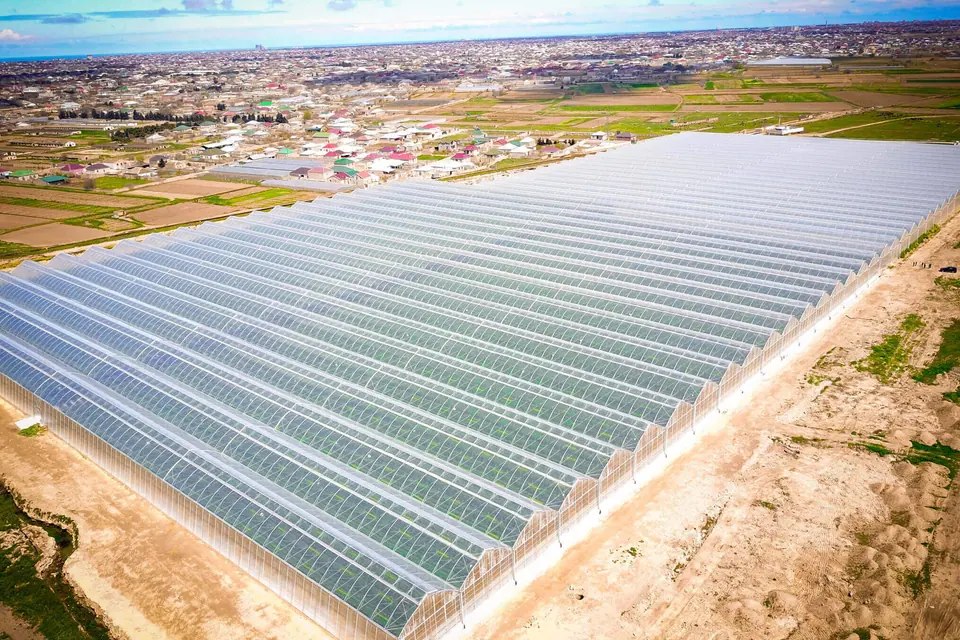
We set up crop protection as a system of prevention, monitoring and beneficial insects, drawing on the biological crop protection practised in our own 20-hectare greenhouse.
- our own tomato greenhouse, grown with biological crop protection
- 20 ha
- Technology partners
- Menno, Bogaerts
What it is
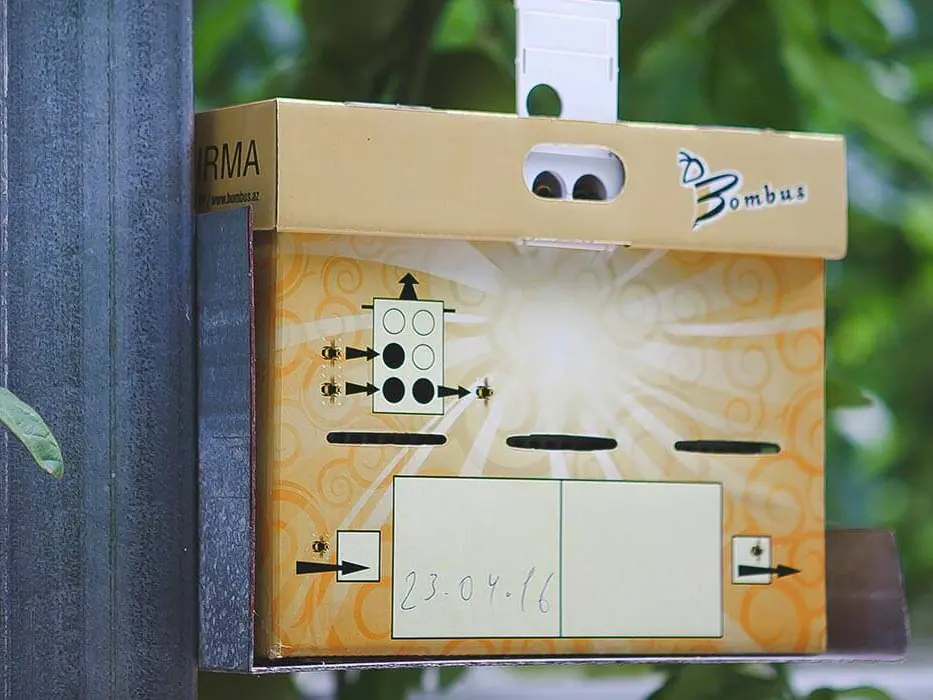
In a year-round crop, pests and diseases cannot simply be sprayed away. Resistance builds quickly, residues limit market access, and broad-spectrum chemistry kills the bumblebees and predators the crop depends on. Integrated pest management reverses the order of measures: prevention first, biological control second, and selective chemistry last, only where a threshold has been passed.
Grow Group grows tomatoes with biological crop protection in its own 20-hectare greenhouse in Zira, Baku, so the approach we recommend is one we work with ourselves. For a new project, the plant-protection plan covers the hygiene layout, netting and disinfection equipment, scout training, and an introduction schedule of beneficial insects for the first crop, adjusted to the pests of the region.
What it includes
- Hygiene plan
- Zoning, hygiene locks, hand and footwear disinfection, visitor rules and tool cleaning between rows.
- Insect exclusion
- Netting on vents and air inlets, double-door entrances and overpressure where the design allows.
- Scouting and monitoring
- Sticky traps, pheromone traps and weekly crop walks, recorded per row and path.
- Biological control
- Introduction schedules for predatory bugs, predatory mites and parasitic wasps, matched to the crop.
- Disinfection
- Products and equipment for cleaning the greenhouse, irrigation lines, crates and tools between and during crops.
- Corrective treatment
- Spray equipment and a shortlist of selective, locally registered products that are compatible with beneficials.
Options and configurations
The choice follows the crop, the climate and the size of the investment.
Preventive hygiene programme
Entry discipline, disinfection points and clean-out procedures that keep viruses and root pathogens out. This is the base layer of any programme.
Best suited toAll crops; critical in tomato because of ToBRFV
Biological control programme
Planned releases of beneficial insects and mites from the first weeks of the crop, adjusted to scouting data.
Best suited toLong-cycle tomato, pepper and cucumber
Physical exclusion
Insect netting, air locks and semi-closed ventilation that reduce the number of pests entering the greenhouse.
Best suited toHot regions with high whitefly, thrips and virus pressure
Integrated corrective programme
Selective, locally registered products applied to hot spots when thresholds are exceeded, chosen to spare beneficials and pollinators.
Best suited toOutbreaks, and the first seasons of a new team
Technical specifications
Typical ranges for high-tech greenhouses. The exact figures for your project are calculated at the design stage.
| Scouting frequency | Weekly as standard; more often at hot spots |
|---|---|
| Insect netting | Commonly 50-mesh against whitefly; finer against thrips, with larger vent area to compensate |
| Whitefly control | Macrolophus pygmaeus, Encarsia formosa or Amblyseius swirskii, depending on crop |
| Spider mite control | Phytoseiulus persimilis and other predatory mites |
| Thrips control | Amblyseius swirskii and Orius species, mainly in pepper and cucumber |
| Tuta absoluta in tomato | Pheromone traps, netting and predatory bugs |
| Between-crop clean-out | Crop removal, disinfection of surfaces and lines, and an empty period before replanting |
What you gain
Market access
Lower reliance on chemical treatment makes it easier to meet the residue limits set by retailers and export markets.
Fewer crop losses
Early detection through scouting contains an outbreak while it is still limited to a few plants.
Slower resistance
Biological and physical measures reduce the selection pressure that makes pesticides ineffective.
Safer for pollinators and staff
Bumblebees keep working, and re-entry intervals after spraying become the exception.
An approach from practice
Our recommendations draw on biological crop protection in our own greenhouse in Zira, Baku.
Projects using this solution
All projects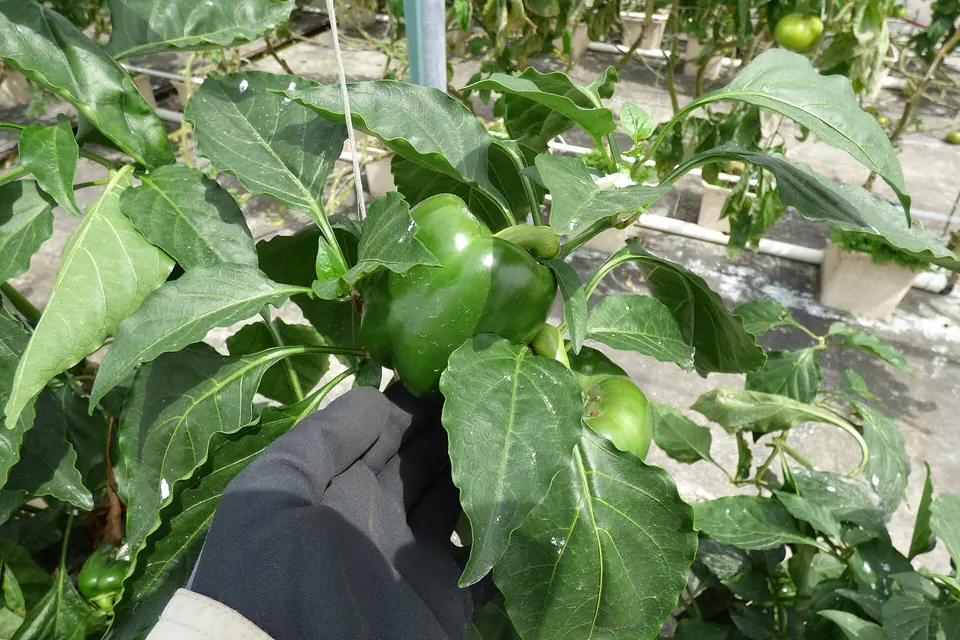
Only Baku Greenhouse Complex is a real project. The others are samples that show the layout and will be replaced with real references.
Questions we are asked
If yours is not here, write to us. An engineer replies within two working days.
Can a commercial greenhouse run without chemical pesticides?
Insect pests in tomato, pepper and cucumber can largely be managed biologically, and many growers do so. Fungal diseases and sudden outbreaks may still require selective, registered products. The realistic target is minimal, targeted use, not a zero claim.
How is tomato brown rugose fruit virus kept out?
ToBRFV spreads mechanically on hands, tools, clothing and crates, so prevention is strict hygiene: controlled entry, dedicated clothing, disinfection of tools and trolleys, and clean plant material. Resistant varieties are increasingly available and belong in the plan. No single measure is sufficient alone.
Are beneficial insects available in our country?
Availability and import rules for biological control agents differ by country. Some markets have local producers; others rely on air freight of a product with a short shelf life. Supply routes and permits should be checked during project preparation, because they determine which programme is realistic.
Does insect netting reduce ventilation?
Yes. Fine netting restricts airflow considerably, so vent area has to be enlarged or supported by fans to keep the same cooling capacity. This is decided in the structural design; it cannot be corrected easily afterwards.
Get a quote for plant protection & ipm
Tell us the country, the crop and the area. You get a confirmation at once and an engineer’s reply within two working days.
- Preliminary layout and budget range
- A visit to our 20-hectare reference greenhouse
- Support in English, Russian and Azerbaijani