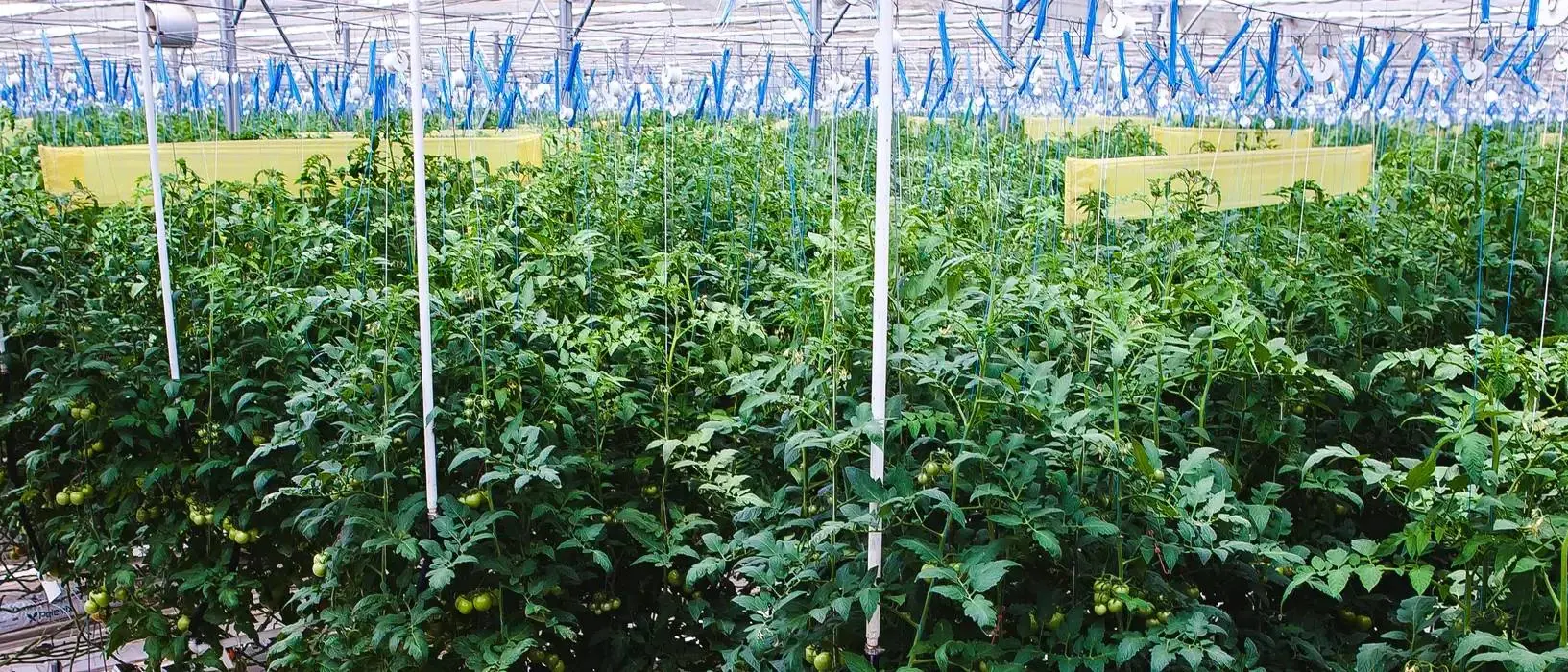
Greenhouse solutions for East Africa
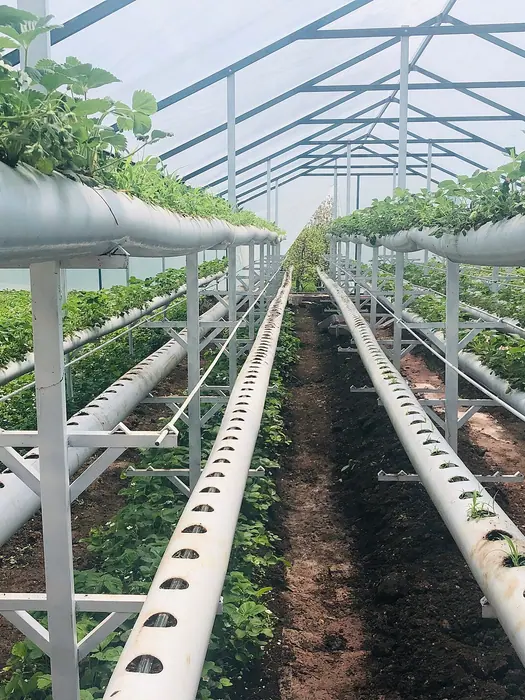
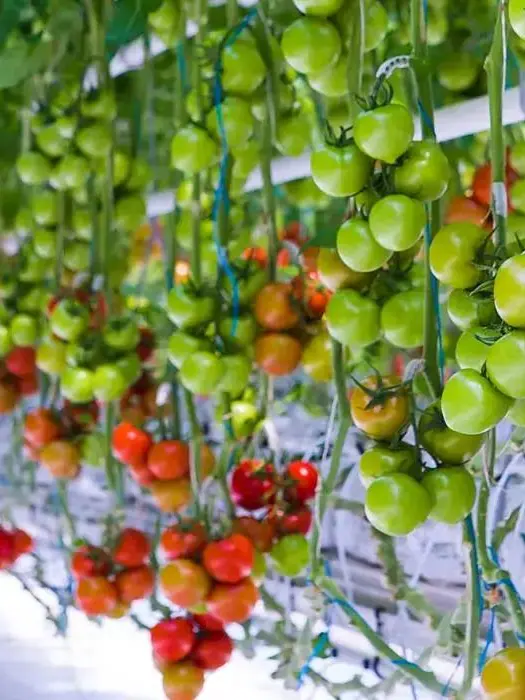
East Africa’s highlands offer steady light and mild temperatures all year. We design greenhouses there for export flowers, vegetables and berries, with water, power and cold chain built in.
- Countries
- Kenya, Ethiopia, Tanzania, Uganda
- We work in
- English
The market
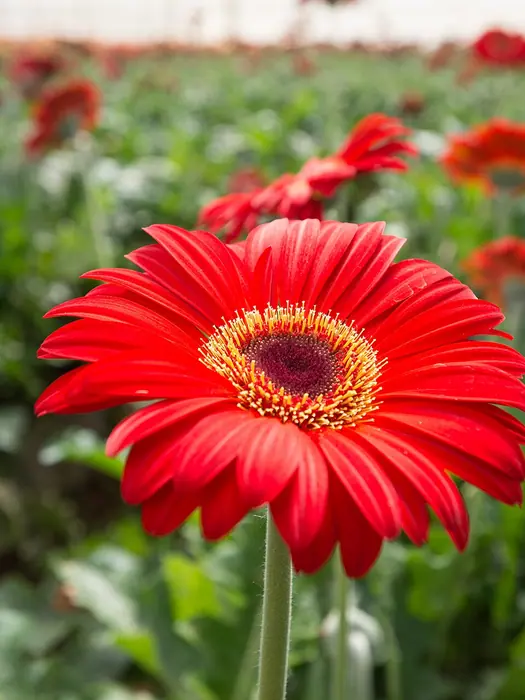
Near the equator and at altitude, day length barely changes and temperatures stay moderate through the year. That is why the East African highlands suit roses, cut flowers and export vegetables so well. The design challenges differ from those further north: intense sun, cool and humid nights, heavy seasonal rain and, on many sites, a power supply that cannot be taken for granted.
A greenhouse here does not need the heavy heating plant of a northern project. It needs good ventilation, protection from rain and insects, precise irrigation and a dependable route from harvest to airport. We design each project around its market, whether that is export or local supply, and scale the technology to what the business case and the local team can sustain.
What the climate asks of the design
- Strong equatorial sun
- High radiation and UV at altitude age plastics quickly and can scorch the crop at midday. We specify UV-stabilised, diffusing films and movable shade screens, and size the roof ventilation for full-sun conditions.
- Cool, humid nights
- Night temperatures at altitude bring condensation and fungal disease. Anti-drip films, air circulation and, for sensitive crops such as roses, modest heating for dehumidification keep the leaves dry.
- Heavy seasonal rain
- Gutters, downpipes and site drainage are sized for peak rainfall intensity. The same roof area is a water source: rainwater is collected in lined basins and used for irrigation.
- Unreliable grid power
- Irrigation and climate control must not stop when the grid does. We include backup generation and consider solar power for pumps and cold rooms, with controls that restart safely after an outage.
Solutions we recommend here
How we work locally
Financing and public support schemes differ from country to country. We assess them with you for each project.
- Project communication, documentation and training are in English.
- We scale the technology to the site and specify what the local team can operate and maintain.
- Local operators, scouts and irrigation staff are trained during commissioning.
- We review climate and irrigation data remotely from Baku, with site visits agreed in the support plan.
Questions we are asked
If yours is not here, write to us. An engineer replies within two working days.
Do greenhouses in the East African highlands need heating?
Usually not for temperature. Some crops, roses in particular, benefit from modest night heating to lower humidity and prevent fungal disease. We decide this from the site’s night temperatures and the crop.
Glass or plastic film?
Film is the usual choice in this climate: it costs less, diffuses strong sunlight and suits natural ventilation. Glass is considered for specific crops or semi-closed designs. We compare both on lifetime cost, not on purchase price alone.
How do you handle an unstable power supply?
We design for it from the start. Critical loads such as irrigation pumps, the climate computer and cold rooms are placed on backup power, and control systems are set to restart safely after an outage.
Planning a greenhouse in East Africa?
Tell us the country, the crop and the area. You get a confirmation at once and an engineer’s reply within two working days.
- Preliminary layout and budget range
- A visit to our 20-hectare reference greenhouse
- Support in English, Russian and Azerbaijani