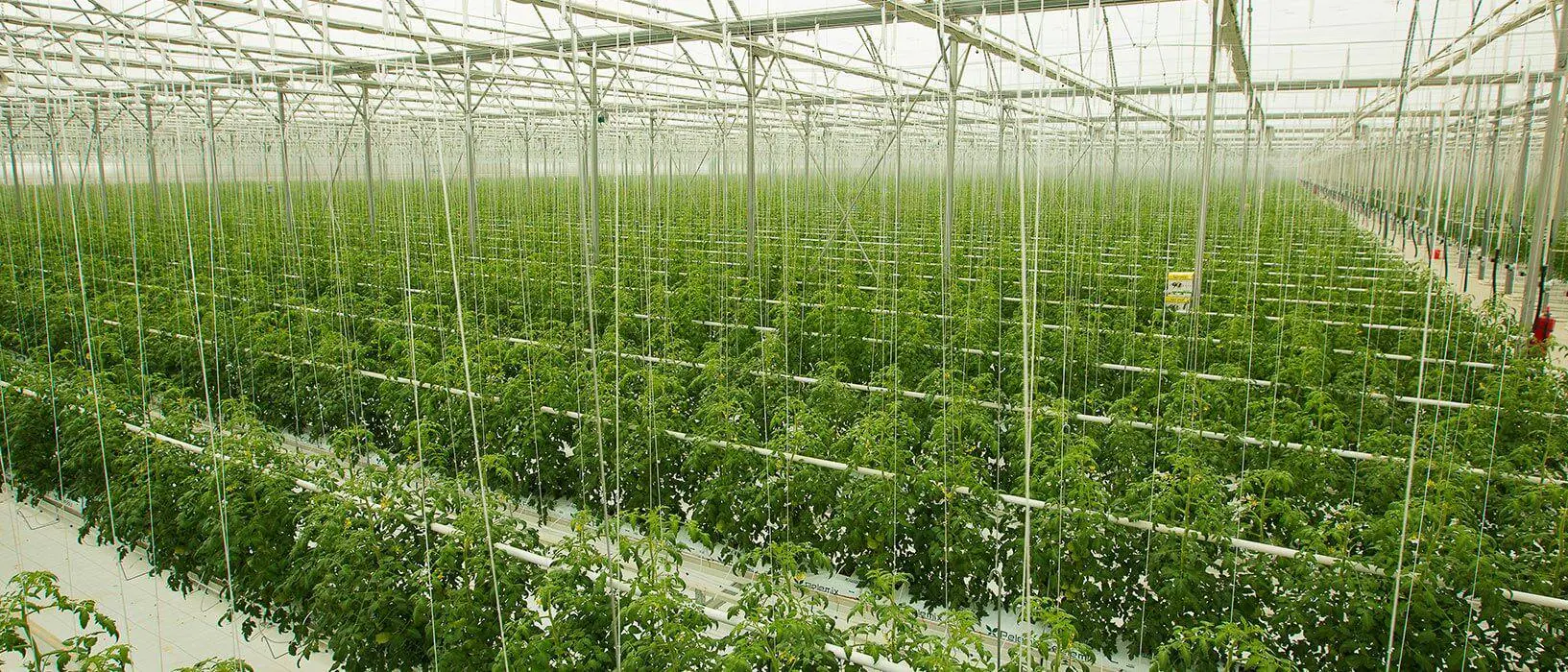
Greenhouse solutions for South Asia
Monsoon humidity, pre-monsoon heat and strong winds shape greenhouse design in South Asia. We adapt structures, ventilation and crop protection to protected cultivation in the tropics.
- Countries
- Pakistan, India, Bangladesh, Sri Lanka
- We work in
- English
The market
South Asia asks more of greenhouse ventilation than almost any other region. Before the monsoon, temperatures on the plains pass 40 °C in dry air. During the monsoon the air is close to saturation for weeks, light falls and rain is intense. Winters in the northern plains are mild and often foggy. A design copied from a temperate climate struggles in at least one of these seasons.
For us this is an expansion market, and we approach it accordingly: with a feasibility study for each site and without standard packages. We adapt proven components, such as naturally ventilated structures, insect netting, substrate growing and climate computers, to local conditions and to the skills available on the farm. Training of growers and operators is part of every proposal.
What the climate asks of the design
- Pre-monsoon heat
- In the dry months before the rains, evaporative cooling is effective. Pad-and-fan or fogging combined with shading keeps temperatures workable, provided the house is designed for both this season and the humid one that follows.
- Monsoon humidity and low light
- In saturated air evaporative cooling stops working, so the greenhouse relies on air exchange: large roof and side vents, tall structures and circulation fans. A clean, high-transmission covering matters when cloud cuts the light.
- Intense rain and strong winds
- Gutters and drainage are sized for monsoon downpours. Structures and anchoring are calculated for local wind loads, including those of cyclone-prone coastal zones where they apply.
- Year-round pest and disease pressure
- With no cold season to break pest cycles, exclusion comes first. Insect netting on every opening, double-door entrances and a scouting routine reduce the need for chemical treatment.
Solutions we recommend here
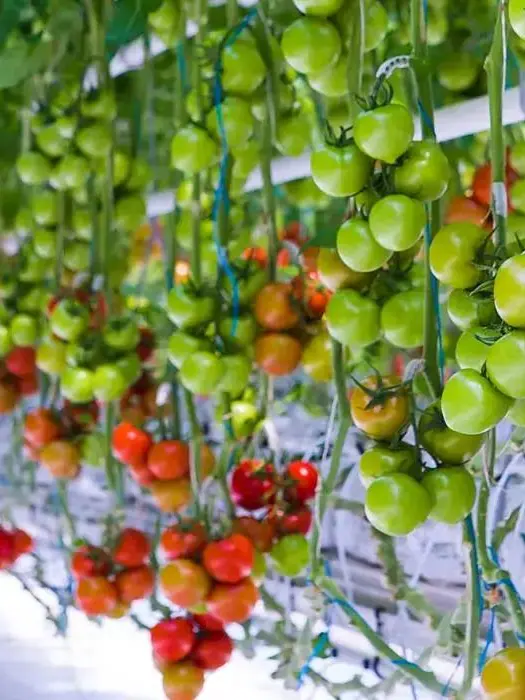
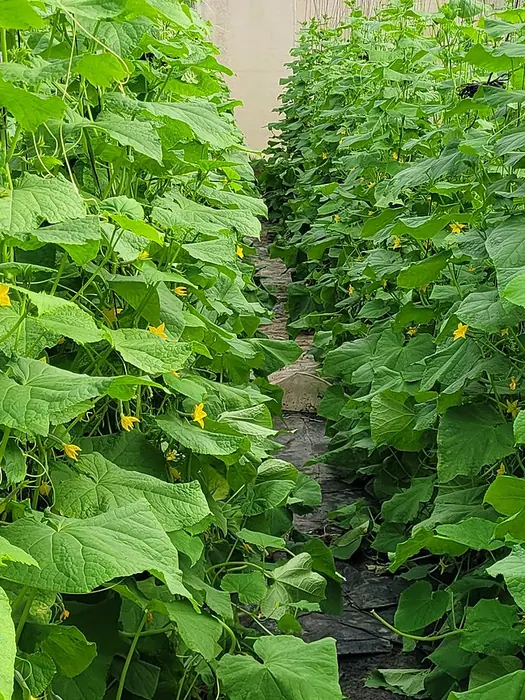
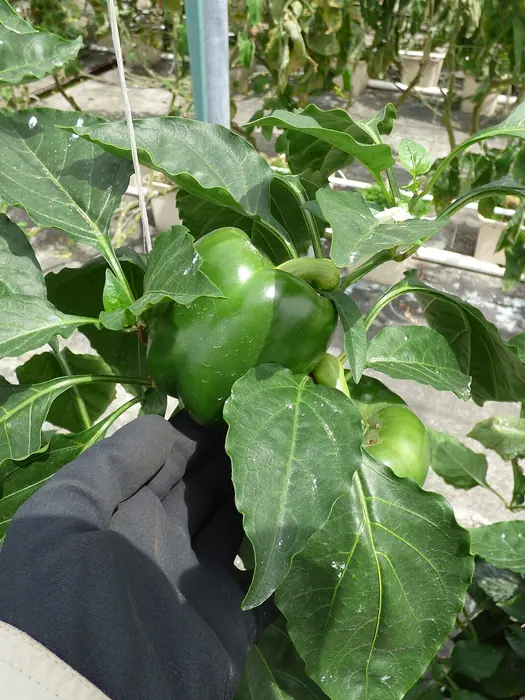
How we work locally
Financing and public support schemes differ from country to country. We assess them with you for each project.
- Project communication, documentation and training are in English.
- Every site gets its own feasibility study, with separate design checks for the dry-heat and monsoon seasons.
- Local contractors carry out civil works and assembly under the supervision of our engineers.
- After handover we provide remote agronomic support, with site visits agreed in the support plan.
Questions we are asked
If yours is not here, write to us. An engineer replies within two working days.
Does pad-and-fan cooling work during the monsoon?
Not well. Evaporative cooling depends on dry air, so its effect drops sharply when humidity is high. For the monsoon months the design relies on ventilation area, air movement and shading, and the crop calendar is planned with that in mind.
Is a high-tech glasshouse the right choice for this climate?
Not automatically. In many locations a well-ventilated film greenhouse with substrate growing and good control gives a better return than glass. We recommend the level of technology that the climate, the market and the local team can support.
Is financial support available for protected cultivation?
Support schemes vary by country and state and change over time. We assess what may apply to your project during the feasibility study and prepare the technical documentation that lenders and programmes normally require.
Planning a greenhouse in South Asia?
Tell us the country, the crop and the area. You get a confirmation at once and an engineer’s reply within two working days.
- Preliminary layout and budget range
- A visit to our 20-hectare reference greenhouse
- Support in English, Russian and Azerbaijani