More food from less water, energy and land
For us sustainability is an engineering matter. A greenhouse that is designed well uses less water, less energy and fewer chemicals for every kilogram it produces, and it gives people skilled work all year.
Three commitments
Environment
The environmental footprint of a greenhouse is decided mostly at the design stage: how it handles water, how it holds heat and how the crop is protected. We address all three through engineering. In our own 20-hectare complex in Baku, crop protection is based on biological methods, and we bring that practice to the projects we deliver.
- Drain-water collection, disinfection and reuse specified as standard for substrate crops
- Energy screens, heat buffers and efficient heat generation to reduce the fuel used for heating
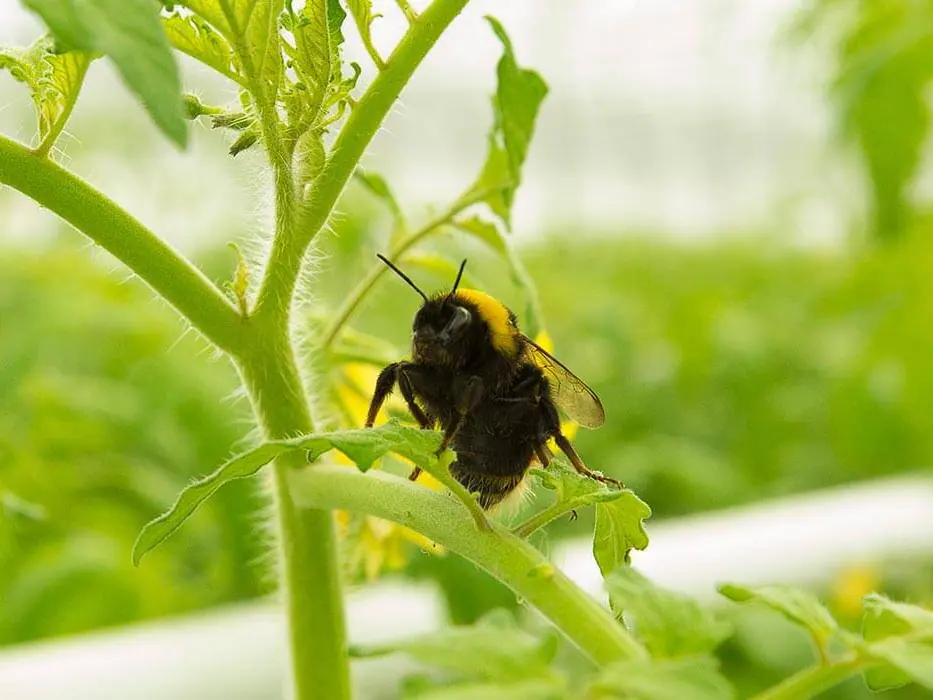
- Biological crop protection and insect exclusion in place of routine chemical spraying
- Water treatment and rainwater collection designed around the local water balance
People and communities
A greenhouse works twelve months a year, so the jobs it creates are permanent and skilled, not seasonal. Wherever we build, we train local growers, operators and technicians to run the facility themselves. On our construction sites we apply clear standards for safety and for the fair treatment of workers, including those employed by contractors.
- Training of local growers and operators included in every turnkey project
- Year-round skilled employment at the facilities we deliver
- Site safety rules that apply equally to our staff and to contractors
- Fresh produce grown close to the market it serves
Governance
We work on the basis of written agreements, both with the manufacturers the group represents and with our clients. We give calculations, not promises: typical figures are presented as typical, and what we commit to is written into the contract. Our position on forced labour and on personal data is published on this website.
- Official representation agreements with the manufacturers whose equipment the group supplies
- Typical performance figures kept clearly apart from contractual commitments
- A published modern slavery statement and privacy notice
- Measured indicators to be reported after a baseline audit
Our contribution to the UN Sustainable Development Goals
We build greenhouses that produce vegetables all year, close to the people who eat them, and the group grows tomatoes for its own local market.
We design closed irrigation systems in which drain water is collected, disinfected and reused, and we size water treatment to the local source.
Greenhouses create permanent, skilled jobs in rural areas. We train local teams and set labour standards for our sites and our contractors.
Precise fertigation delivers nutrients in measured doses, and biological crop protection reduces the use of chemical products.
Energy screens, heat storage, efficient heat generation and, where they fit, heat pumps and solar power lower the energy needed for each kilogram of produce.
Reporting
This page describes practices, not measured results. Measured indicators and the first report follow a baseline audit.
Ready to build your greenhouse project?
Tell us the country, the crop and the area. You get a confirmation at once and an engineer’s reply within two working days.
- Preliminary layout and budget range
- A visit to our 20-hectare reference greenhouse
- Support in English, Russian and Azerbaijani