Agronomic consulting
We advise on variety, planting schedule, climate and irrigation strategy, nutrition and crop protection, from the feasibility study to the weekly crop review.
- typical annual yield of a lit high-wire tomato crop
- 50–70 kg/m²
- Technology partners
- Rijk Zwaan, Step Systems
What it is
A greenhouse is a production tool; the crop strategy decides what it produces. Agronomic consulting links the two. Before construction it answers what to grow, when to plant and what yield is realistic for the site. During cultivation it turns plant measurements, climate graphs and drain analyses into concrete adjustments of temperature, irrigation and crop work.
Our advice rests on the group’s own practice: a 20-hectare tomato greenhouse in Zira, Baku, in operation since 2011, and an official Rijk Zwaan seed distributorship since 2025. We work from the grower’s own data instead of general recipes, on site or by remote review of climate and irrigation records. Consulting can stand alone or continue from a project we have built.
What it includes
- Feasibility and crop plan
- Crop and variety options, planting dates and realistic yield ranges for the light and climate of the site.
- Variety selection
- Advice on varieties by market segment, disease resistance and climate tolerance.
- Climate strategy
- Temperature, humidity, CO2 and screen settings per crop phase, reviewed against the response of the plant.
- Irrigation and nutrition
- Nutrient recipes based on water, drain and slab analyses, and an irrigation strategy that follows radiation.
- Crop registration
- Weekly plant measurements that show whether the crop is in balance.
- Crop protection plan
- IPM programme, scouting routines and hygiene rules, aligned with our plant-protection service.
Options and configurations
The choice follows the crop, the climate and the size of the investment.
Pre-investment advice
Crop choice, yield and input assumptions, and the greenhouse specification are checked before the business plan is fixed.
Best suited toInvestors and lenders at feasibility stage
Start-up cultivation support
Close guidance through the first crop, from plant delivery to the first harvest weeks.
Best suited toNew greenhouses and new teams
Ongoing crop advice
Periodic visits or remote reviews of plant, climate and irrigation data through the season.
Best suited toOperating greenhouses that want an outside view
Problem diagnosis
A targeted investigation of a yield, quality or disease problem, with analyses and a corrective plan.
Best suited toCrops that perform below plan
Technical specifications
Typical ranges for high-tech greenhouses. The exact figures for your project are calculated at the design stage.
| Advice rhythm | Typically weekly or fortnightly during cultivation; closer during start-up |
|---|---|
| Plant measurements | Weekly growth, stem thickness, leaf length, flowering height and fruit load |
| Laboratory analyses | Source water before design; drain and slab solution typically every one to two weeks |
| Climate data | Graphs from the climate computer, reviewed on site or remotely |
| Yield benchmark, lit tomato | Typically 50–70 kg/m² a year, depending on variety type and light sum |
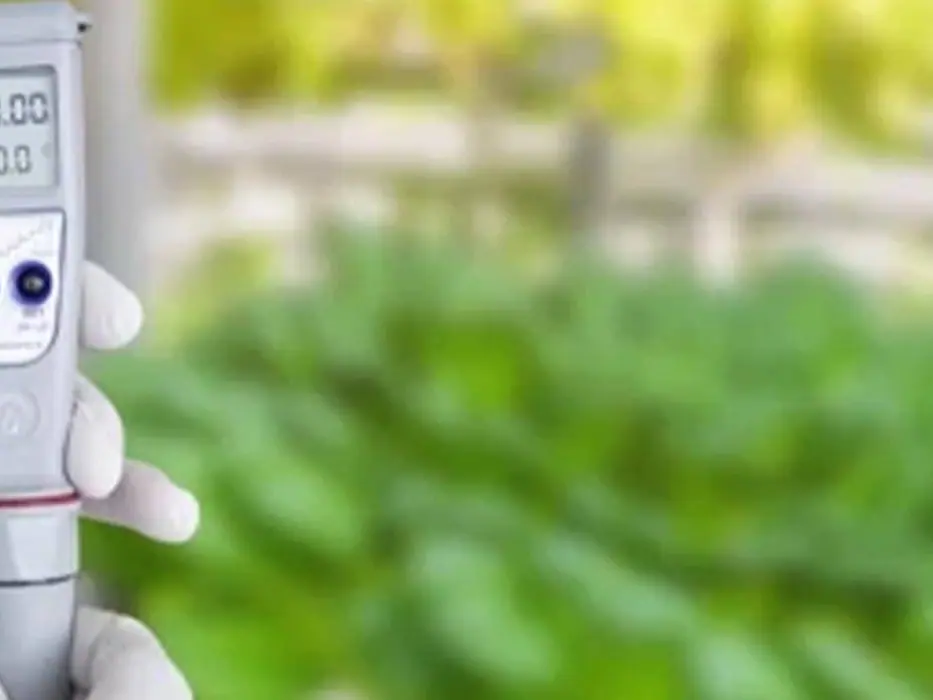
| Measuring instruments | Hand meters for EC, pH, substrate moisture, light and climate |
| Outputs | Crop plan, nutrient recipes, setpoint advice and IPM schedule |
What you gain
Realistic business plans
Yield and cost assumptions are tested against the light, climate and market of the site before money is committed.
Decisions based on data
Plant measurements and analyses replace opinion in the weekly crop meeting.
A variety matched to the market
Segment, shelf life, resistance package and climate tolerance are weighed for the target buyer.
Efficient use of inputs
Recipes adjusted to drain analyses avoid both deficiency and over-feeding.
Skills transfer
Growers learn the reasoning behind each adjustment and become independent over time.
Questions we are asked
If yours is not here, write to us. An engineer replies within two working days.
What yield can we assume in our business plan?
It depends on crop, variety type, light sum, lighting and the level of climate control. For lit high-wire tomato, 50–70 kg/m² a year is a typical range; unlit crops and cherry types are lower by weight. A site-specific figure should be derived from local climate data before it enters the plan.
Can consulting be done remotely?
Partly. Climate and irrigation data, photographs and crop registrations can be reviewed remotely between visits. Walking the crop remains necessary at intervals, because plant condition, pests and work quality are judged best on site.
Do you advise on greenhouses built by others?
Yes. Agronomic consulting is a separate service and does not depend on who built the greenhouse. We start with a review of the installations, the water analysis and the crop records to see what the site can deliver.
Which varieties do you recommend?
Variety choice follows the market segment, the climate and the disease pressure of the region. The group is an official Rijk Zwaan seed distributor and knows that range best. The recommendation for each project is still made on trial results and buyer requirements.
Get a quote for agronomic consulting
Tell us the country, the crop and the area. You get a confirmation at once and an engineer’s reply within two working days.
- Preliminary layout and budget range
- A visit to our 20-hectare reference greenhouse
- Support in English, Russian and Azerbaijani