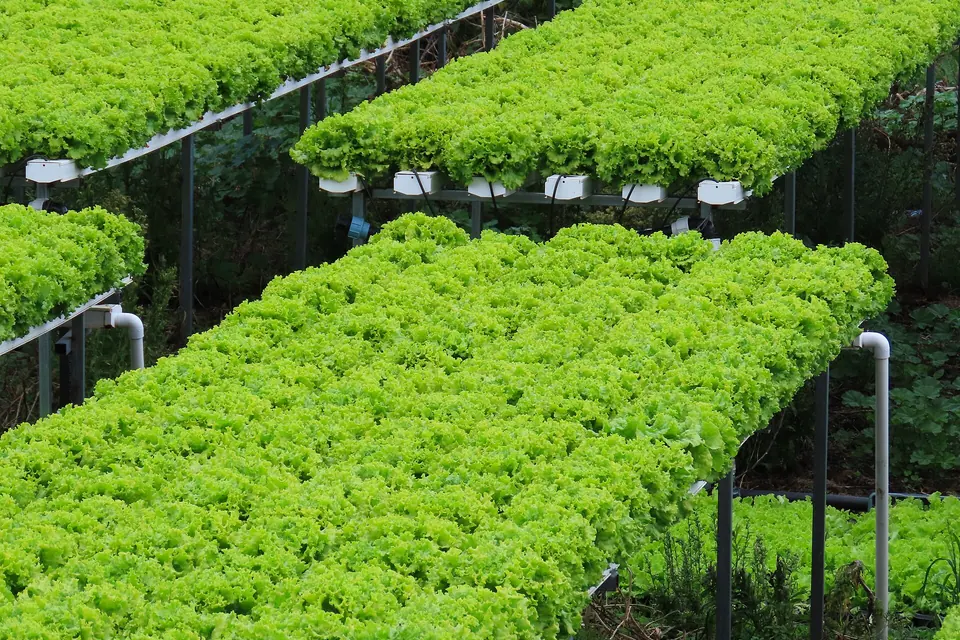
AE · United Arab Emirates Demo
3-hectare leafy greens facility, Abu Dhabi
- Crop
- Lettuce & herbs
- Area
- 3 ha
- Handover
- 2025
We engineer and commission the full climate system: process computer, measuring boxes, weather station, vents, screens, air circulation and CO2 dosing, working as one control loop.
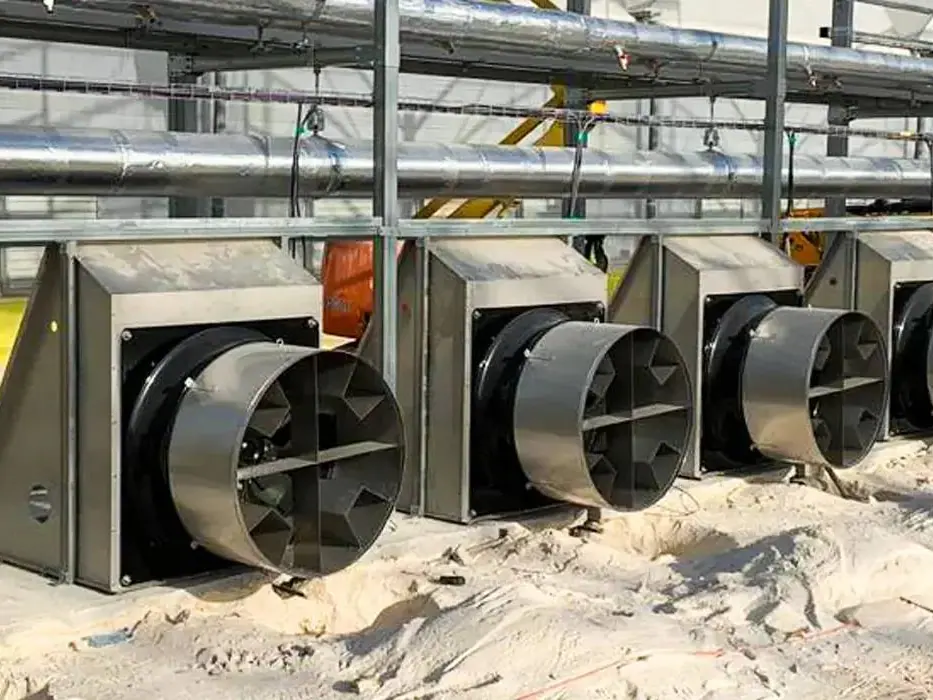
Climate control is where a greenhouse earns or loses its yield. Temperature, humidity, CO2 and light act on the plant together, so they have to be controlled together. A process computer reads the weather station and the sensors in each compartment, then adjusts vents, screens, heating valves and CO2 dosing in small steps throughout the day and night.
We configure the system around the crop strategy, not around factory defaults. Compartments, sensor positions, screen types and heating groups are defined at design stage and commissioned together with the grower. The group is the official representative of Priva in Azerbaijan, and we work with climate control every day in our own 20-hectare greenhouse in Zira, Baku.
The choice follows the crop, the climate and the size of the investment.
Roof vents, pipe heating and one energy screen under computer control. This is the base configuration for most vegetable projects.
Best suited toTemperate and continental climates with moderate summers
A transparent energy screen combined with a second energy or shade screen. Heat demand falls further, and light can be tempered in summer.
Best suited toCold winters, lit crops and regions with strong summer radiation
Outside air is conditioned in a climate corridor and blown under the crop at slight overpressure, so vents stay mostly closed and CO2 is retained.
Best suited toHot, arid or insect-prone locations
Blackout screens and lighting schedules set the day length independently of the season.
Best suited toChrysanthemum, young plants and licensed cannabis
Typical ranges for high-tech greenhouses. The exact figures for your project are calculated at the design stage.
| Controlled variables | Air temperature, humidity deficit, CO2, light sum, pipe temperatures, vent and screen positions |
|---|---|
| Climate compartments | Defined per crop and planting date; often 1–4 ha each |
| Temperature control | Typically within about 1 °C of setpoint in stable weather |
| Energy screen saving | 20–40% of heat demand, depending on fabric and climate |
| CO2 setpoint | Typically 600–1,000 ppm while vents are closed or nearly closed |
| Sensor density | At least one measuring box per compartment; more in large or sloping blocks |
| Remote access | Settings and graphs available to grower and adviser off site |
Small, frequent corrections keep the crop away from the stress peaks that cost fruit set and quality.
Screens, humidity control based on outside conditions and temperature integration reduce the fuel burned per kilogram of produce.
Every sensor value and actuator movement is logged, which makes crop problems traceable to a cause.
Holding a humidity deficit and avoiding condensation on the crop removes the conditions in which Botrytis and mildew develop.
Climate, irrigation and energy share one data set, so a change in one is accounted for in the others.
AE · United Arab Emirates Demo
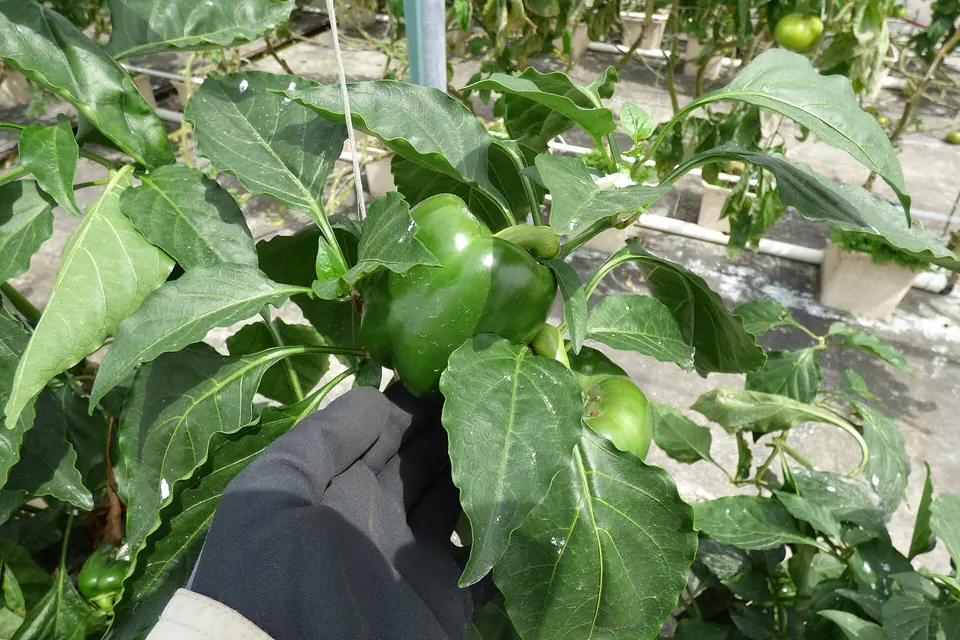
Only Baku Greenhouse Complex is a real project. The others are samples that show the layout and will be replaced with real references.
If yours is not here, write to us. An engineer replies within two working days.
Yes. Current process computers offer secured remote access, so the grower, the owner and an external adviser can view graphs and adjust settings from elsewhere. It needs a stable internet connection on site and clear rules about who may change setpoints.
One per crop, planting date or climate strategy is the working rule. More compartments give flexibility and limit the spread of disease, but they add walls, sensors and valve groups. The number is settled once the crop plan and phasing are known.
Where vents are open most of the day, dosed CO2 escapes and the benefit is limited to mornings and the cool season. In semi-closed designs and in winter production, dosing to 600–1,000 ppm typically gives a clear yield response. We calculate it per site instead of adding it by default.
We set the base configuration during commissioning and train the growers on the system. The crop strategy itself is developed with the head grower during the first cycle, and it can be supported through our agronomic consulting service.
Tell us the country, the crop and the area. You get a confirmation at once and an engineer’s reply within two working days.
Nothing found. Try another word or write to us.